
Indian Wedding Photography Styles Explained: Candid, Traditional, Cinematic and More
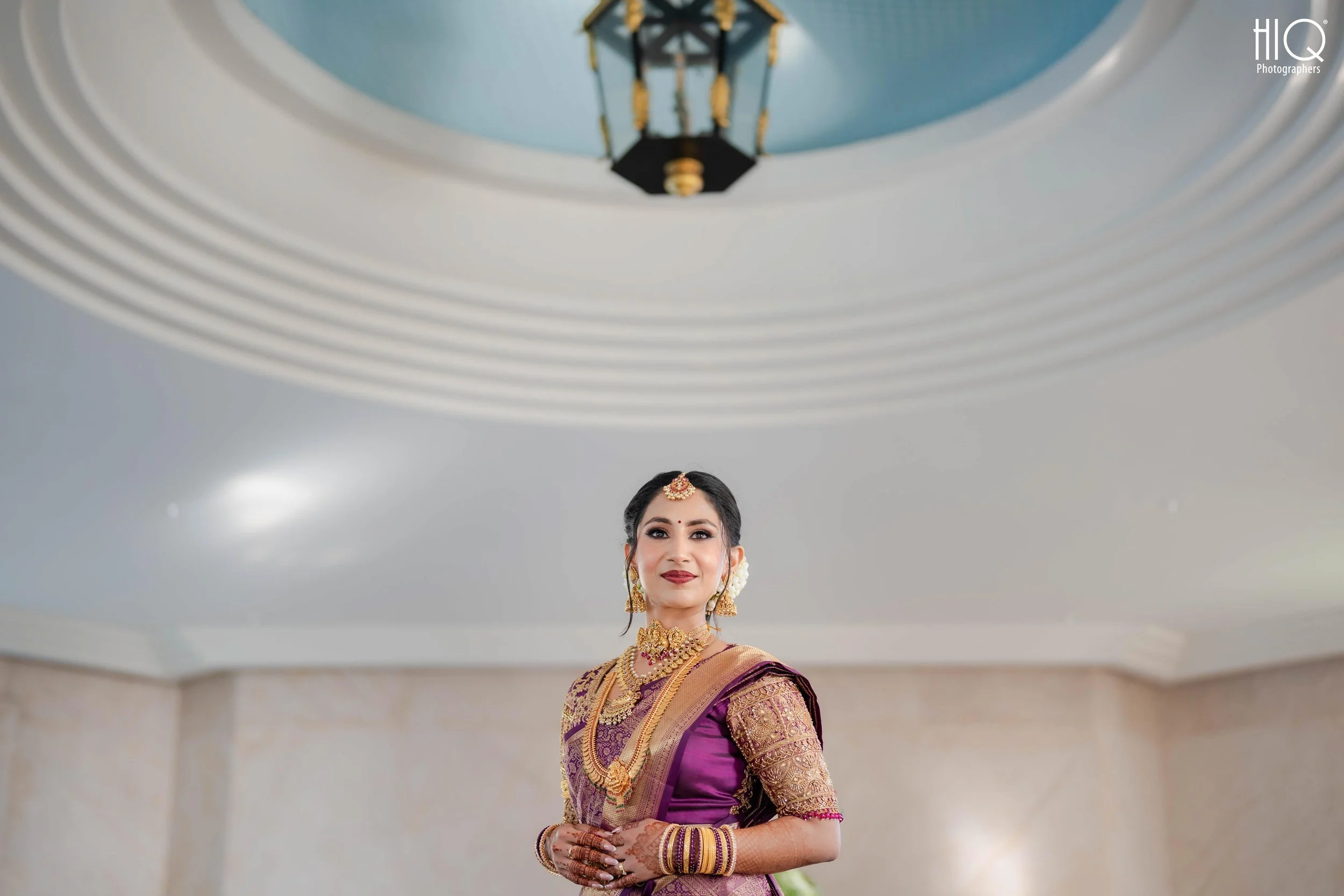
South Indian bride captured by HiQ weddings
Indian weddings are not events.
They’re multi-day, multi-emotion, high-energy productions where everything happens at once; rituals, chaos, laughter, tears, outfit changes (many), and those unplanned moments that end up meaning the most.
Yet, one of the most common questions couples ask is:
“What kind of wedding photography style should we choose?”
Here’s the honest answer - no “one style fits all.”
The right approach is a combination of Indian wedding photography styles, curated to your wedding, your personalities, and how you want to remember it.
Let’s break it down clearly so you can make decisions like a pro (not like someone guessing based on Instagram reels).
1. Candid Photography: Real Moments at Indian Weddings
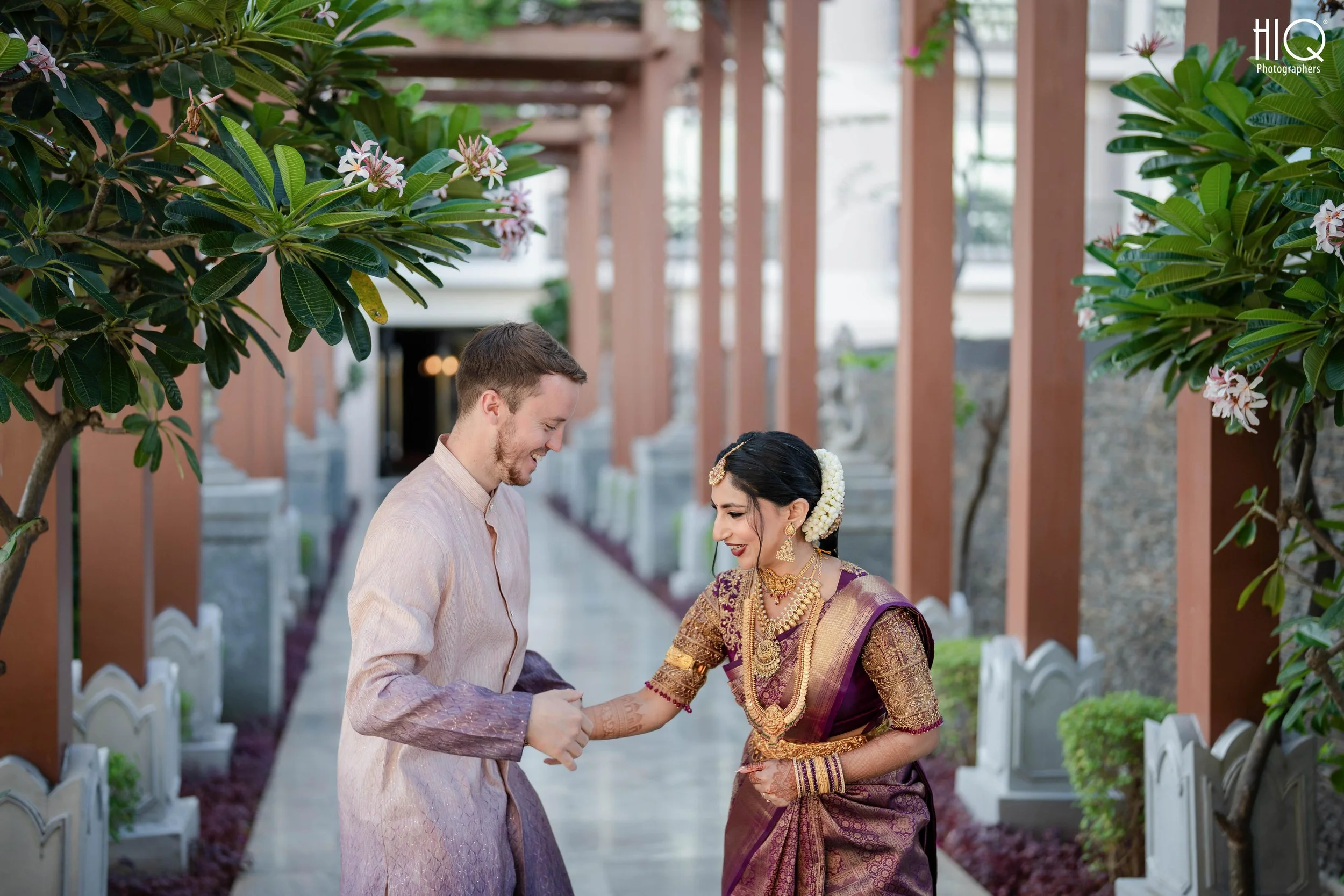
A candid and playful moment between the bride and groom
Candid photography during an Indian wedding captures moments as they happen, without posing or direction. Think laughter during a haldi, a stolen glance during the ceremony, or your mom quietly fixing your dupatta.
Where it works best:
Haldi & Mehendi (high emotion, high spontaneity)
Bridal prep moments
Guest interactions
Behind-the-scenes during ceremonies
What the output looks like:
Natural, expressive images
Emotion-heavy storytelling
Slightly imperfect but deeply real frames
Why it matters:
Candid Indian wedding photography works because the best moments at a wedding are rarely staged.
Reality check:
If everything is posed, your album will look beautiful… but slightly lifeless.
2. Traditional Photography: The Must-Have Backbone
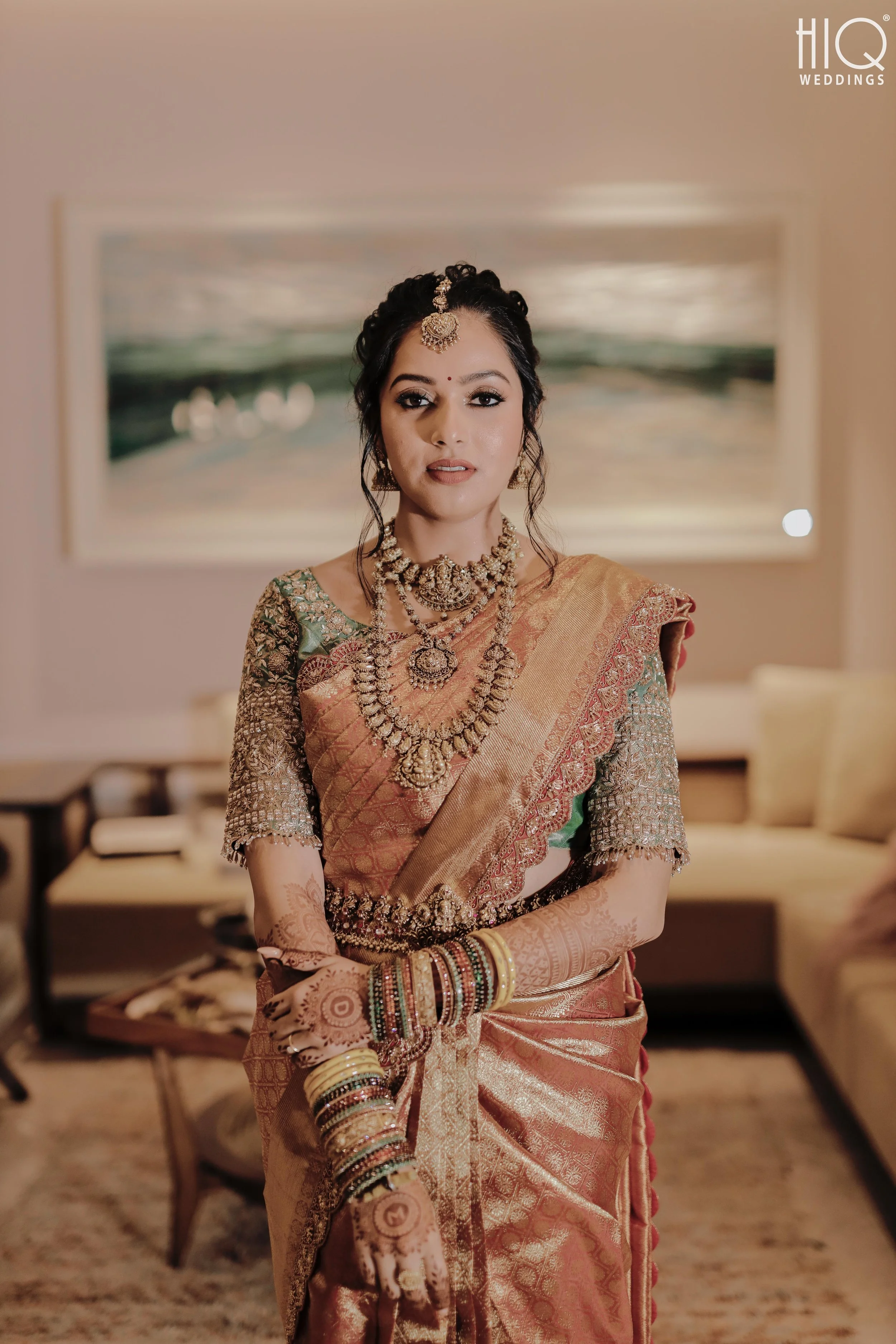
Traditional indian wedding photography of bride
Traditional Indian wedding photography styles means structured, posed photography focused on capturing key rituals and family portraits. Another way to go with this would be to have a pre-wedding photoshoot at a temple. That said, it really depends on the couple!
Where it works best:
Ceremony rituals (muhurtham, pheras, ring exchange)
Family group photos
Stage portraits at receptions
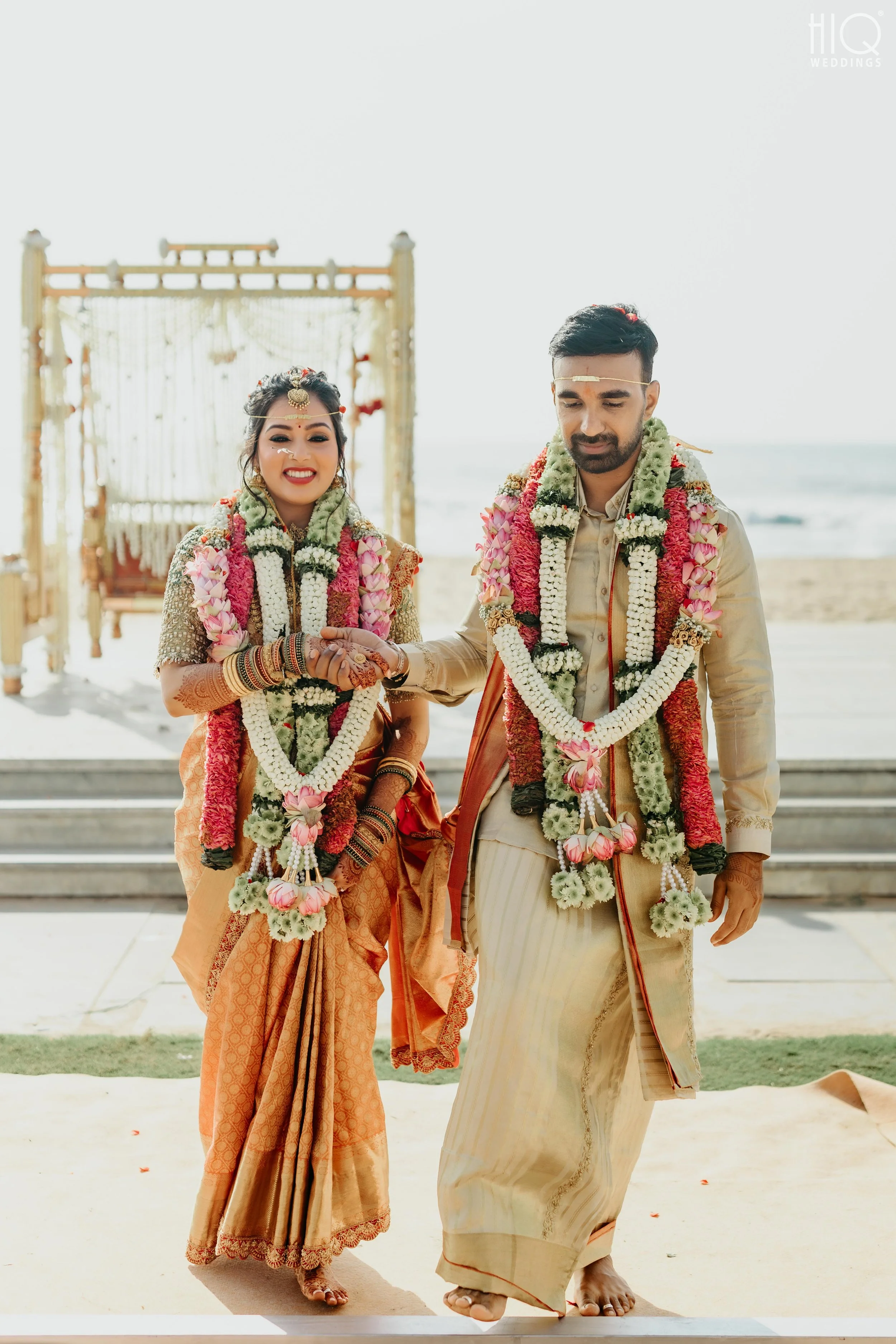
Traditional wedding photography of bride and groom and beachside wedding venue in Chennai
What the output looks like:
Clear, well-lit, properly composed images
Everyone looking at the camera (miracle, but achievable)
Complete documentation of rituals
Why it matters:
Because your family will ask for these. Repeatedly.
Reality check:
You may not frame every traditional shot, but you’ll definitely need them.
3. Cinematic Wedding Films: Your Wedding, But Make It a Movie
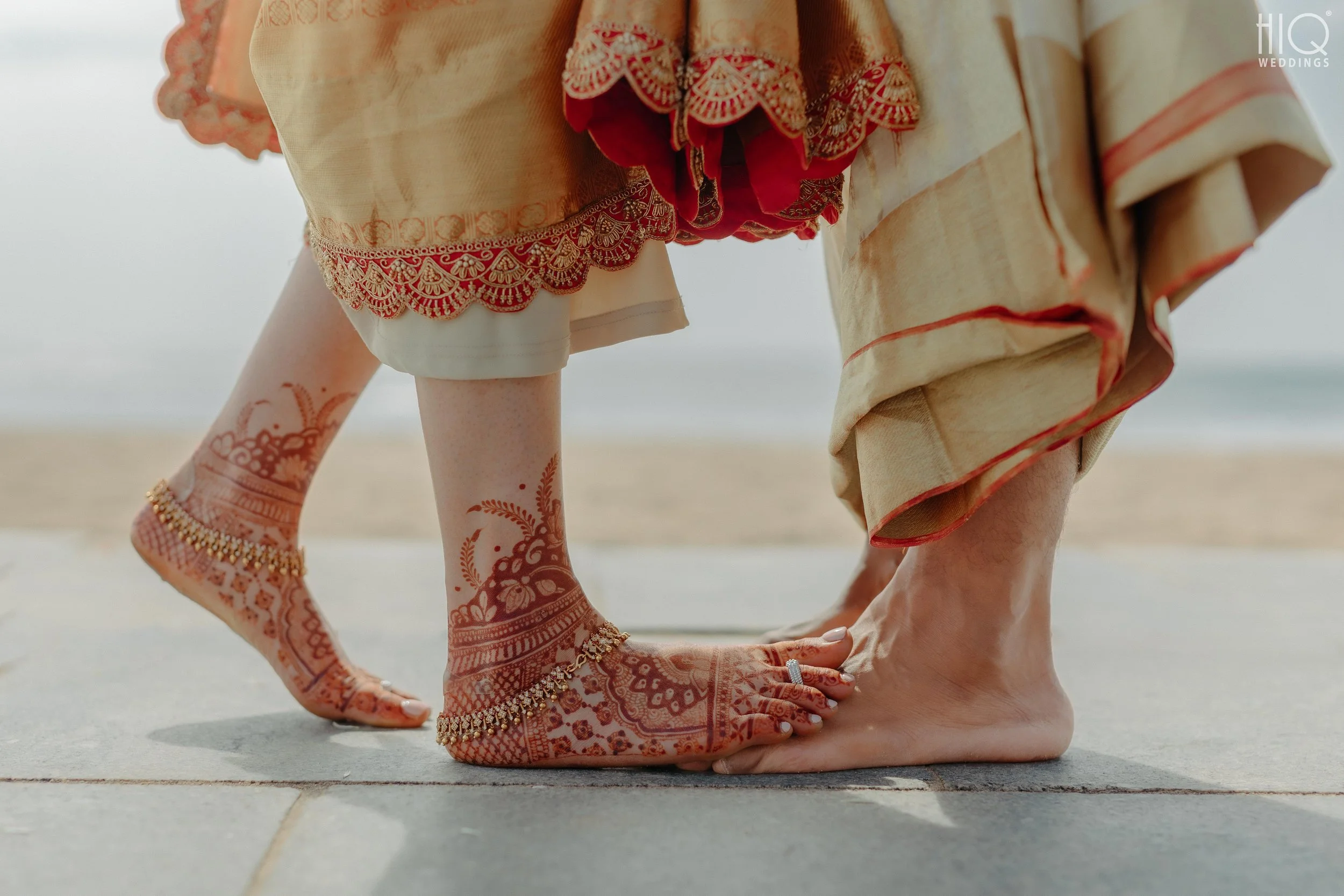
Cinematic indian wedding photography of bride and groom’s feet
What it is:
A storytelling-driven video that uses music, slow motion, creative angles, and editing to create a film-like experience.
Cinematic Indian wedding photography styles create stunning moments and images that elevate your experience and the events of the day with storytelling.
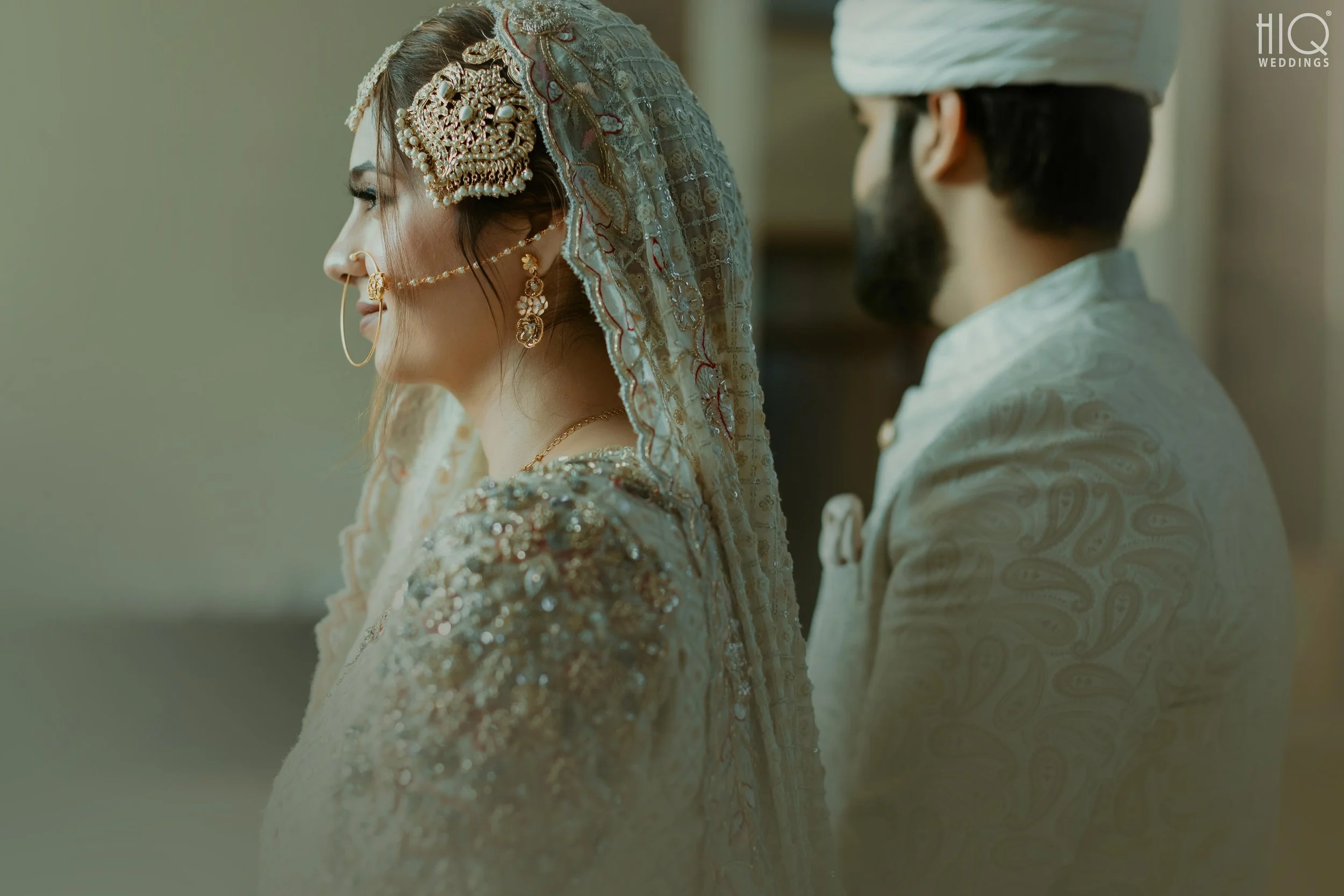
Cinematic Indian wedding photography of bride and groom’s profiles
Where it works best:
Entire wedding (shot with storytelling in mind)
Couple-focused moments
Emotional highlights
What the output looks like:
A 3–10 minute highlight film
A longer edited wedding film (20–60 mins depending on coverage)
Dramatic, emotional, visually polished
Why it matters:
Because photos freeze moments.
Cinematic films bring them back to life.
Reality check:
This is not raw footage. It’s crafted storytelling. Which means it depends heavily on the team’s vision and editing.
4. Documentary Style: The Honest Narrative
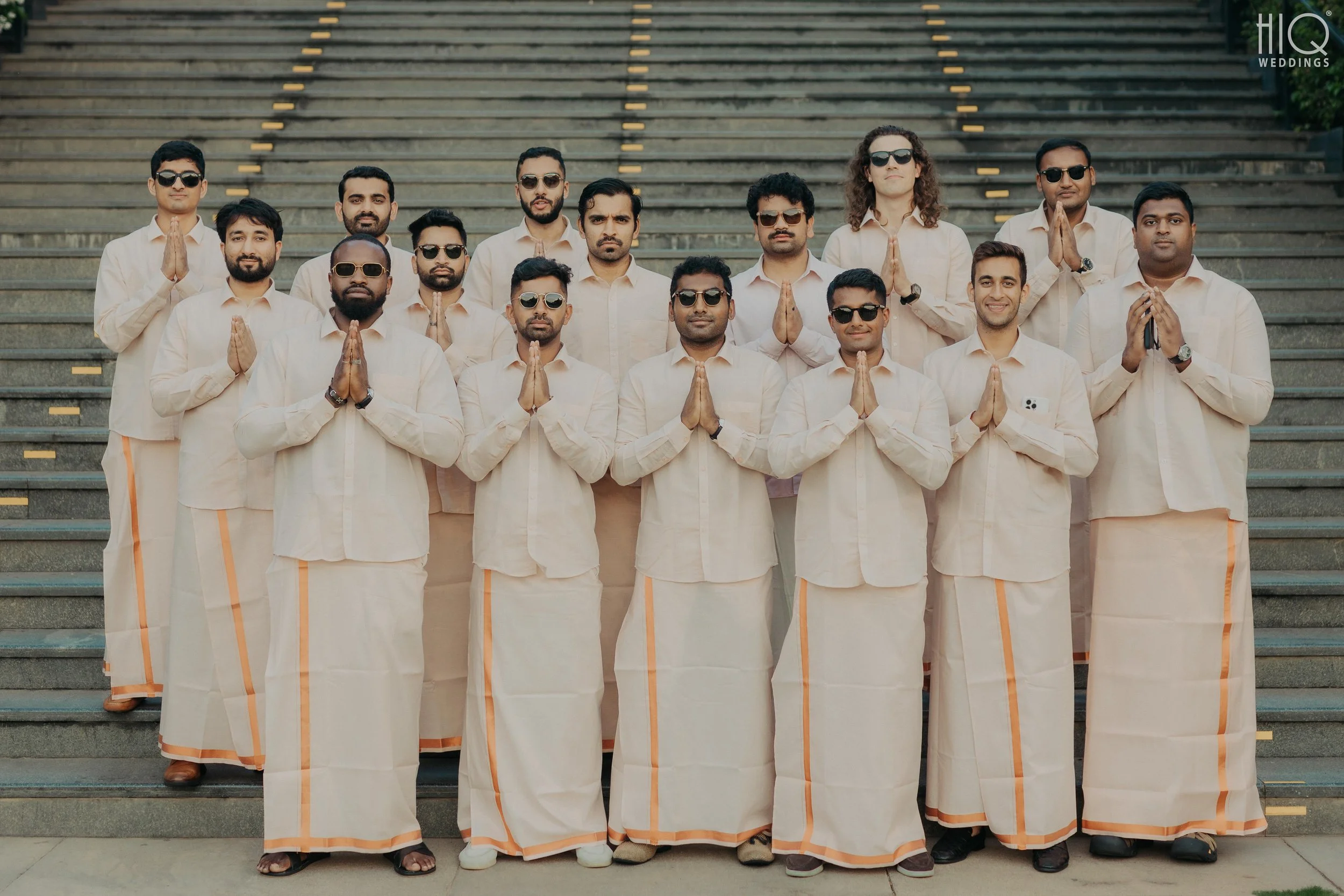
Documentary style Indian wedding photography of Groom’s men
What it is:
A more immersive version of candid photography is documentary-styled Indian wedding photography that focuses on telling the complete story without interference.
Where it works best:
Full wedding coverage
Intimate weddings
Families that value authenticity over perfection
What the output looks like:
A sequence of images that feel like a narrative
Minimal posing
Raw, unfiltered storytelling
Why it matters:
Because years later, this style helps you relive, not just review your wedding.
5. Editorial / Fine Art Photography: Stylied
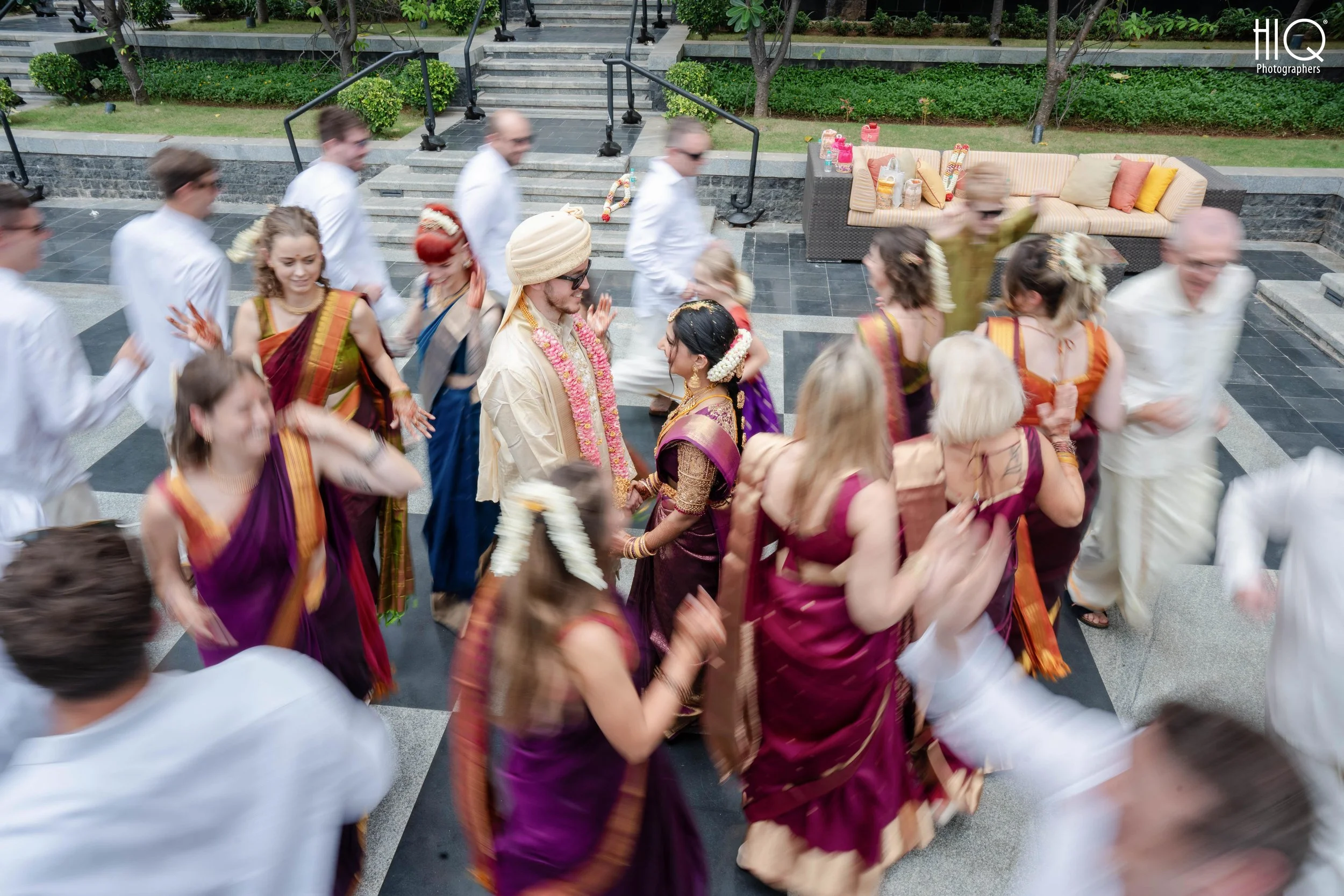
Editorial syle indian wedding photography of bride and groom
What it is:
Editorial-styled Indian wedding photography means highly composed, magazine-style images with attention to styling, lighting, and aesthetics.
This would be the type of photography style you would see in Indian vogue and bridal magazines.. With this the type of wedding venue and the venue architecture you choose really makes a huge difference - for those curious we’ve covered the best luxury wedding venues in Chennai for this.
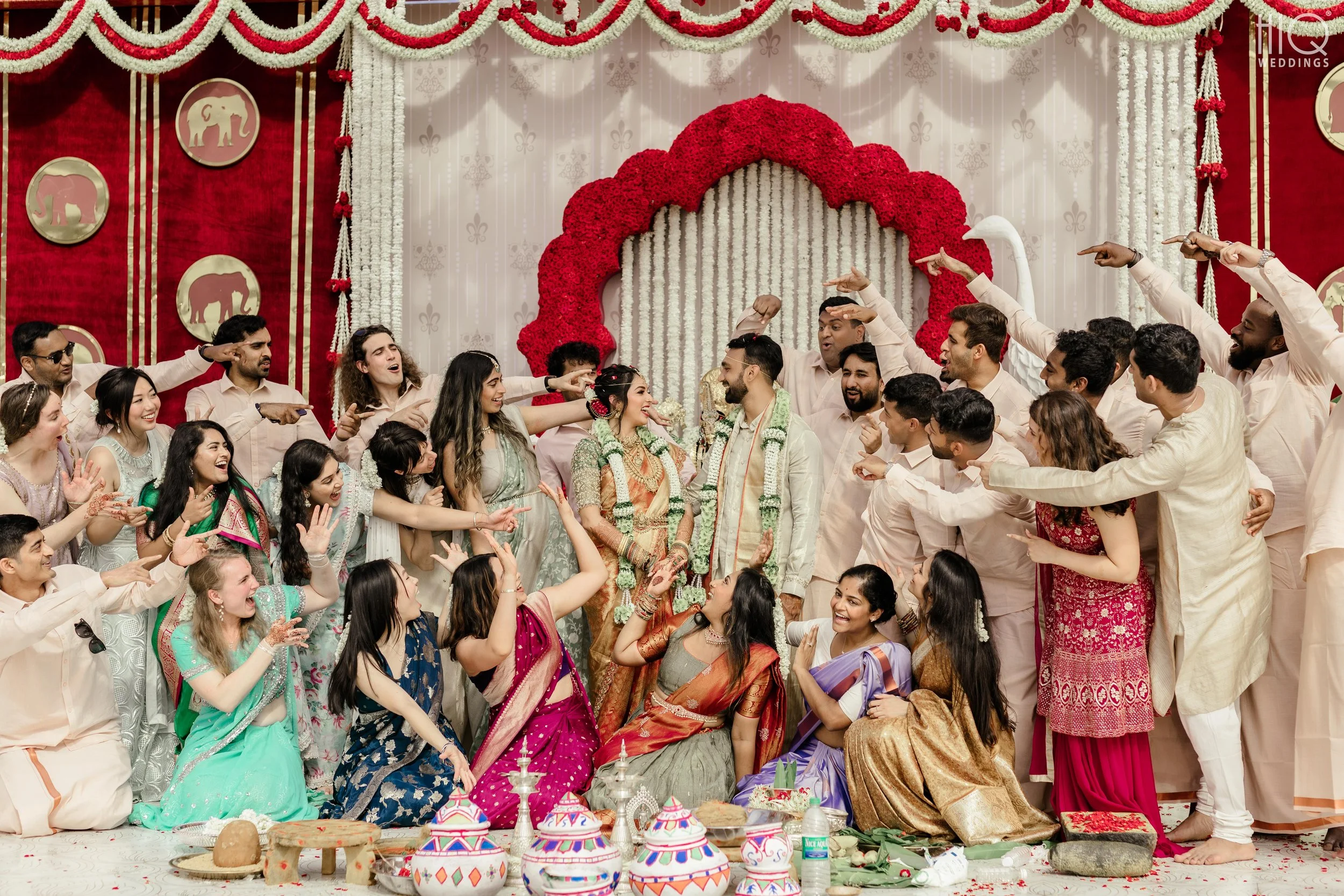
Editorial style indian wedding photography of the full family
Where it works best:
Couple portraits
Pre-wedding shoots
Reception setups
Detail shots (decor, outfits, jewellery)
What the output looks like:
Polished, dramatic, “cover-worthy” images
Strong visual impact
Carefully curated frames
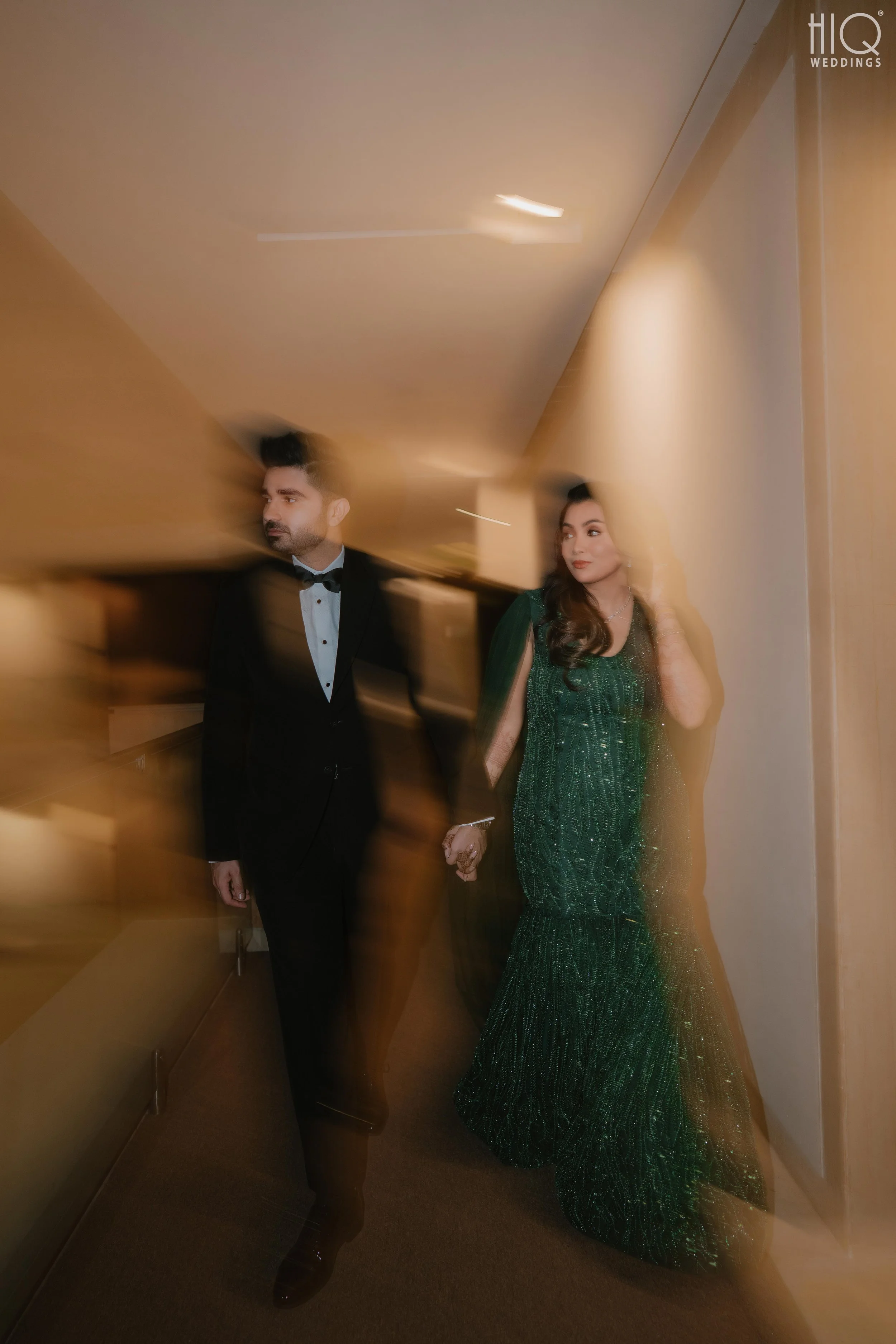
Editorial-style indian wedding photography of bride and groom walking down hallway
Why it matters:
Because let’s be honest — you do want those stunning, frame-worthy shots. If you want inspiration checking out Vogue’s editorial Pinterest board would give you start.
6. Pre-Wedding & Concept Shoots: Personality on Display
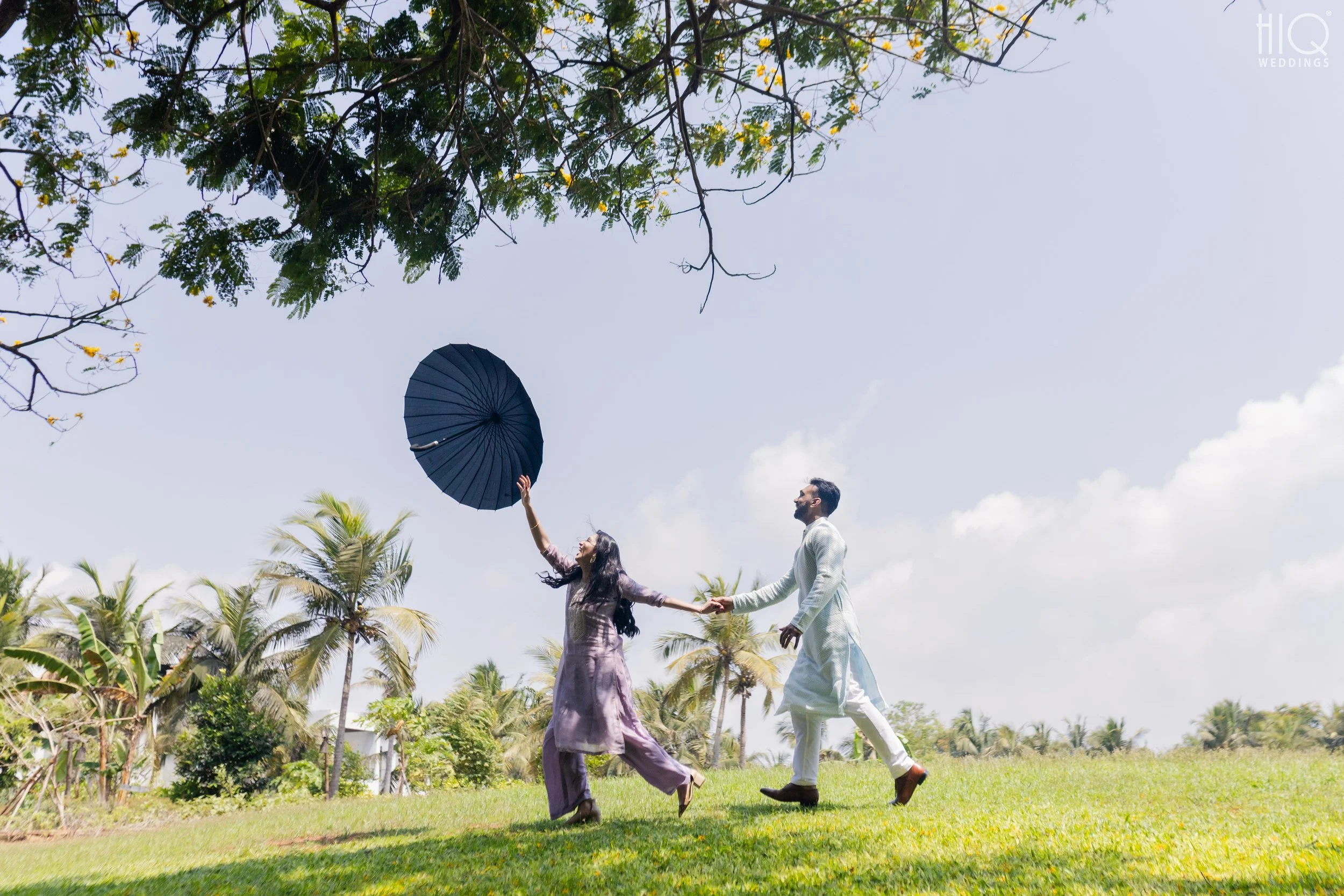
Indian pre-wedding photoshoot concept
What it is:
Planned shoots done before the wedding, often with a theme or concept.
Pre-wedding photography in Indian weddings can take on different tones, but can set the bar and expectations for family and friends.
You don’t get married everyday - concept-styled pre-wedding photography shows that the day of your wedding and events leading up to it really mean something.. For couples in Chennai or near the beach, - pre-wedding beach photoshoots are a popular option.
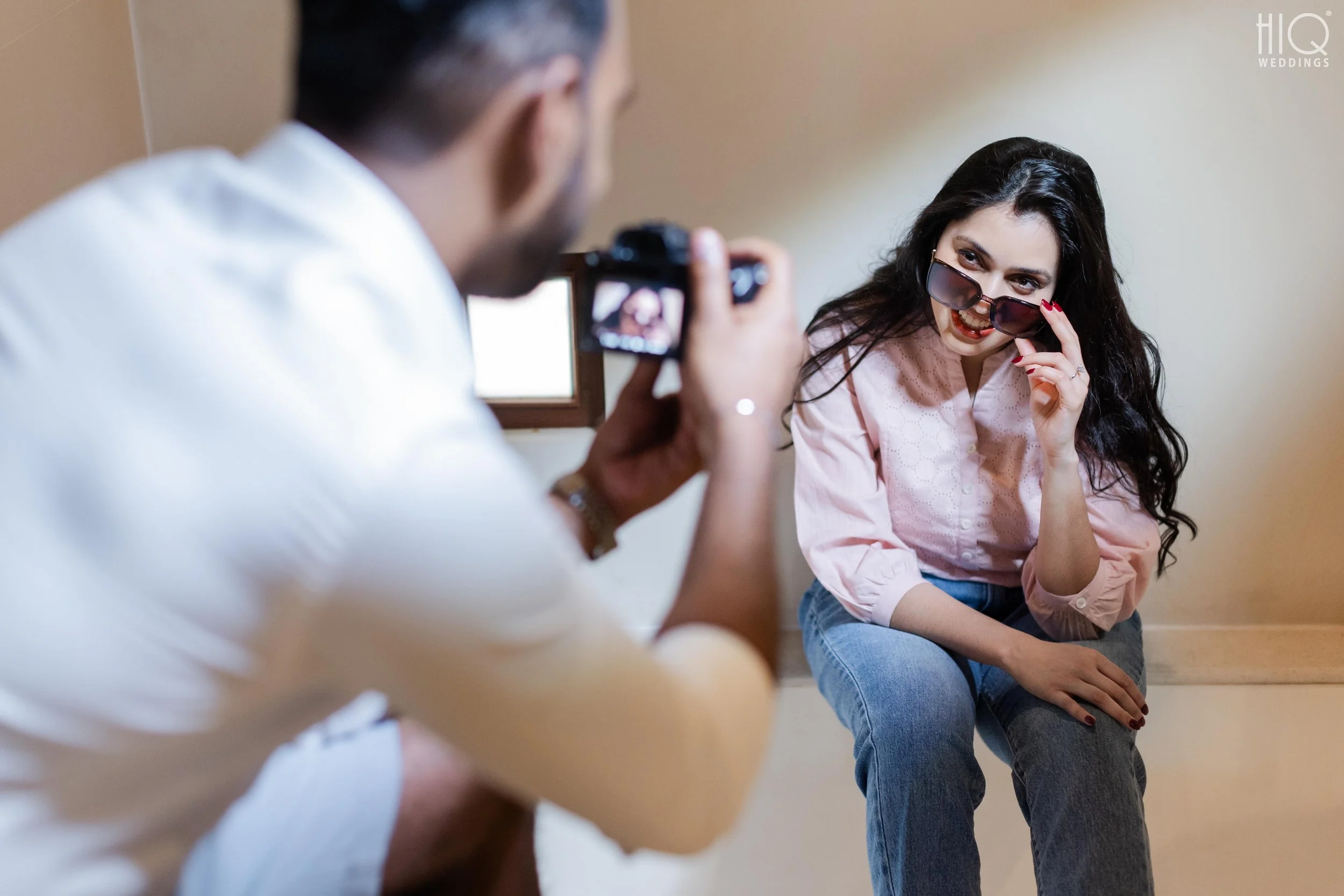
Pre wedding photoshoot concept concept where the groom photographing the bride
Where it works best:
Save-the-date announcements
Social media content
Couple storytelling
What the output looks like:
Fun, relaxed, personality-driven images/videos
Creative storytelling
Less pressure than wedding day shoots
Why it matters:
Because this is where you’re most relaxed — and it shows.
How to Choose the Right Mix (This is the part most people get wrong)
Here’s the truth:
You don’t choose indian Wedding Photography Styles. You choose a priority mix.
Step 1: Identify What Matters Most to You
Ask yourselves:
Do we value emotions over perfection? → Go heavy on candid + documentary indian wedding photography styles
Do we want complete coverage of rituals? → Strong traditional team required
Do we love storytelling videos? → Invest in cinematic
Step 2: Understand Your Wedding Type
Big fat wedding: You need all styles working together
Intimate wedding: Lean toward candid + documentary
Highly styled wedding: Add editorial for visual impact
Step 3: Be Honest About Your Personality
Hate posing? Don’t over-prioritise editorial
Love aesthetics? Don’t skip it
Camera shy? Candid is your best friend
Step 4: Budget Smartly
Not every style needs equal investment.
A practical split:
Strong core team (candid + traditional)
Add cinematic if video matters to you
Add editorial selectively
Why Indian Wedding Photography Styles Mean So Much - This Is Not Just Content, It’s Memory Design
Years from now, when you look at your south Indian wedding photos you won’t remember :
The exact shade of your décor
The number of guests
But you will remember:
How you felt
Who was there
What those moments meant
And the indian wedding photography styles you work with determine how well those memories survive.
So don’t choose based on trends.
Choose based on how you want your story to be told.
If you’re working with a team like HiQ Weddings, the real advantage is this:
You don’t have to figure it all out alone.
The right team doesn’t just shoot your wedding.
They help you design how it will be remembered.
And that’s a decision worth getting right. - Want know see how how HiQ can help with that?
Book a free wedding consultation call!
FAQs on Indian Wedding Photography Styles
What are the most popular Indian wedding photography styles?
The most popular Indian wedding photography styles include candid photography, traditional photography, cinematic wedding photography, documentary storytelling, and fine art portraits. Many couples also combine multiple styles to create a balanced wedding album with both emotional and posed moments.
What is the difference between candid and traditional wedding photography?
Candid wedding photography focuses on capturing natural emotions and unscripted moments as they happen. Traditional wedding photography is more posed and structured, with photographers directing family portraits and key ceremony shots.
What is cinematic Indian wedding photography?
Cinematic Indian wedding photography uses dramatic lighting, storytelling techniques, and artistic compositions to create movie-like visuals. It focuses on emotion, atmosphere, and visually rich moments rather than simple documentation.
What is documentary-style wedding photography?
Documentary-style wedding photography captures the wedding day as it naturally unfolds without excessive posing or interruption. The photographer focuses on real emotions, interactions, and meaningful moments to tell a complete story.
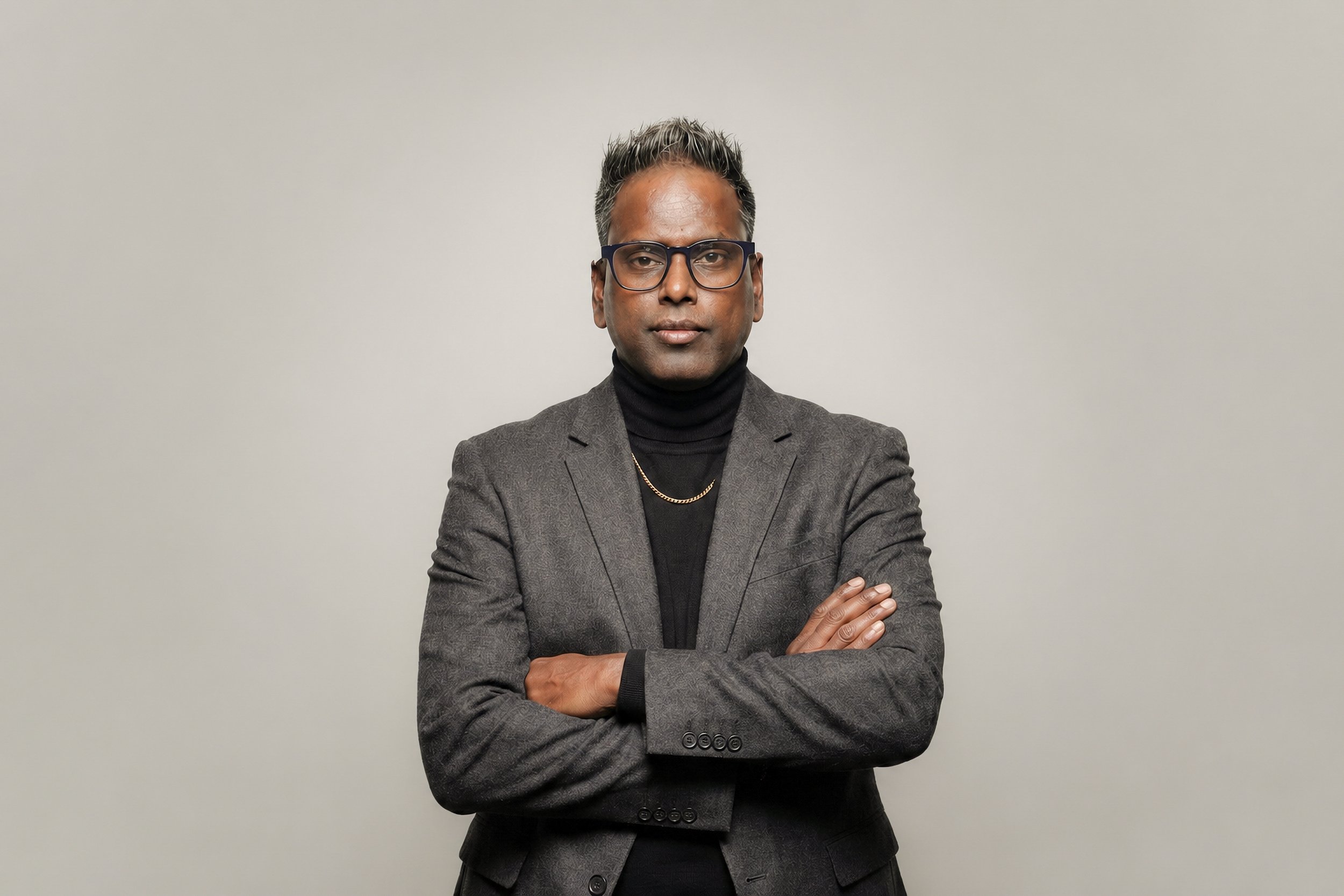
Murali Raju - Founder & Creative Director, HiQ Weddings
Murali Raju, is an internationally recognized photographer and founder of HiQ Wedding Photography. For 20+ years he's captured timeless love stories, even winning prestigious international accolades like the WedAward and ISPWP Award. He currently leads a highly acclaimed team of photographers in Chennai. Having documented thousands of celebrations across India, he specializes in South Indian wedding photography, expertly blending candid moments with cinematic storytelling. Murali is particularly renowned for his profound expertise in Tamil Brahmin wedding photography in Chennai.