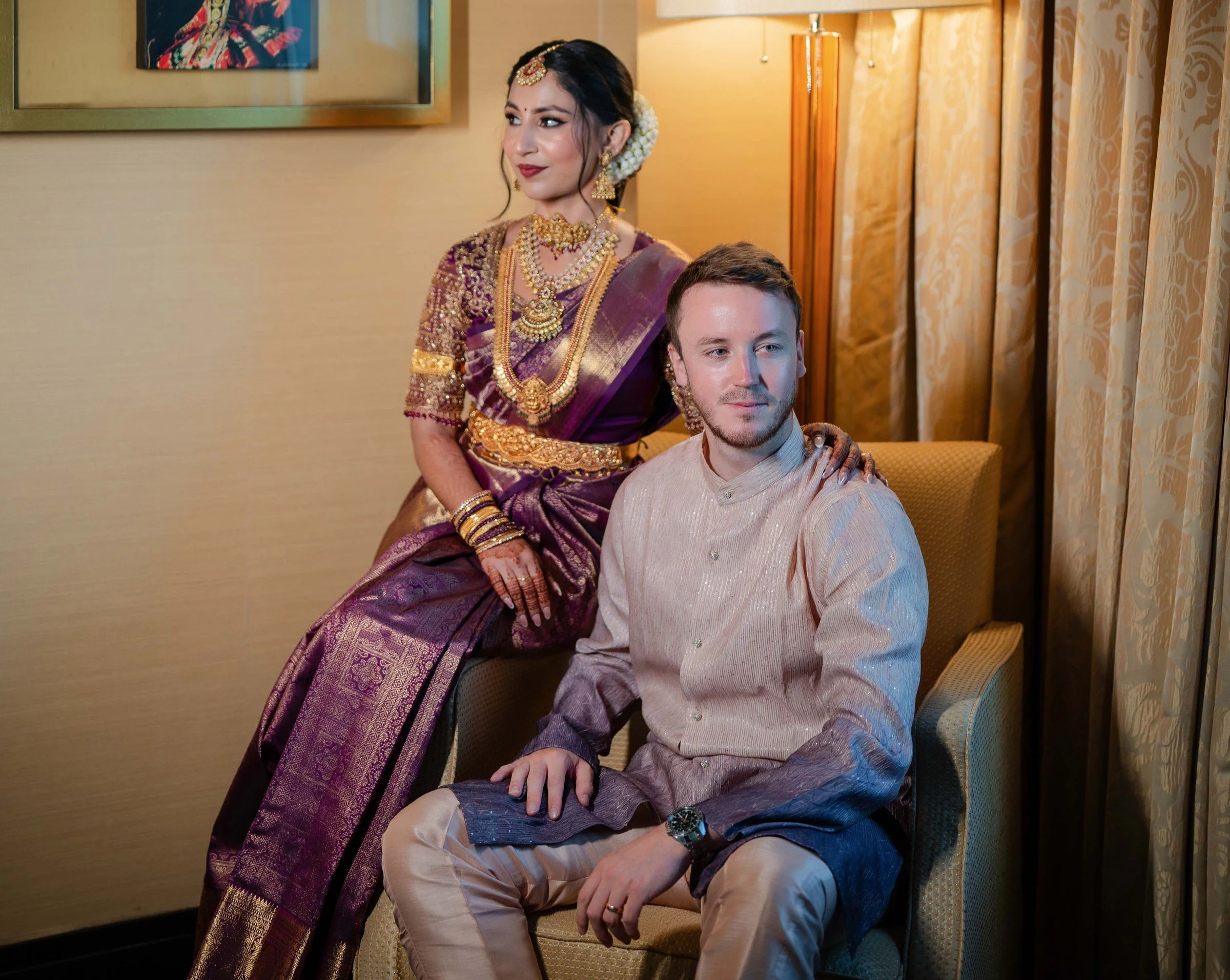
More overseas Indians are flying home to get married every year. An NRI wedding blends real ritual with five-star hospitality.
It also lets far-flung family finally sit in the same room. This guide covers why couples choose India, how to plan one from abroad, where to host it, what it costs, the legal paperwork, and how to pick a wedding photographer.
Why Are NRI Couples Choosing India for Their Weddings?

For many second- and third-generation NRIs, marrying in India means real rituals and a real priest, not a borrowed version abroad. It's also practical. Grandparents and older relatives often can't manage a long-haul flight, so bringing the wedding to them is the only way the whole family attends.
And India's luxury hotels, from Rajasthani forts to Chennai's five-star ballrooms, give couples a true destination-wedding feel without leaving the country they're celebrating.
How to Plan an Indian Wedding from Abroad
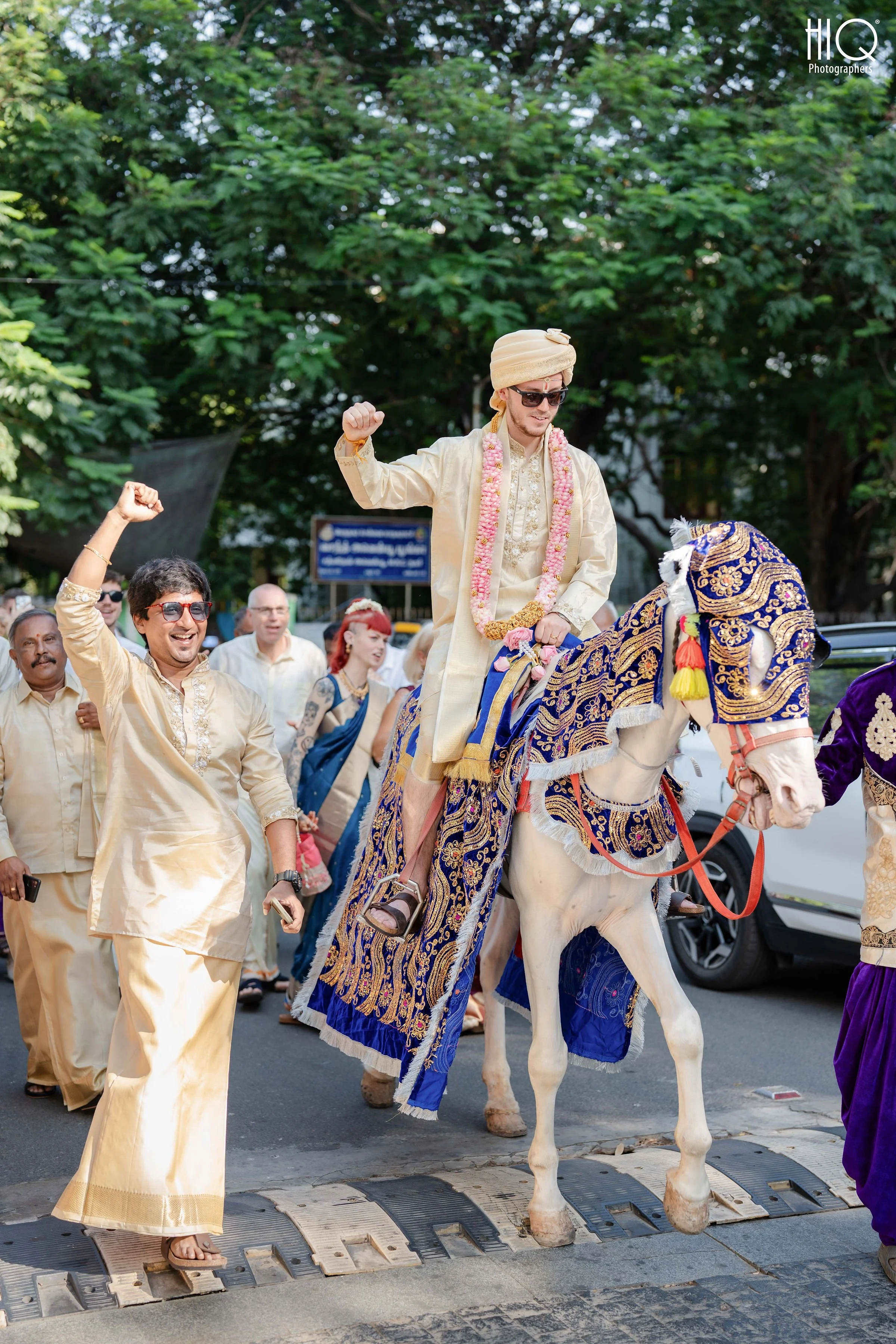
Most planners suggest starting about a year out.
12 months out: Pick your city, set a budget, and consult a priest or astrologer for an auspicious date.
9–10 months out: Book your venue and your lead photographer. Both fill up fast in peak season.
6–8 months out: Do a site visit, in person or on video, and lock in catering.
3–4 months out: Send invitations and book guest hotel blocks.
1 month out: File any required legal notice and confirm your photography shot list.
Plan to arrive in India yourself at least a week early for fittings and registrar appointments.
A local wedding planner earns their fee if you can't be on the ground. They negotiate vendor contracts and catch problems a video call might miss. Set regular call times and keep a written log of what you've approved. Juggling India time against the US, UK, or Gulf causes most planning friction overseas couples report.
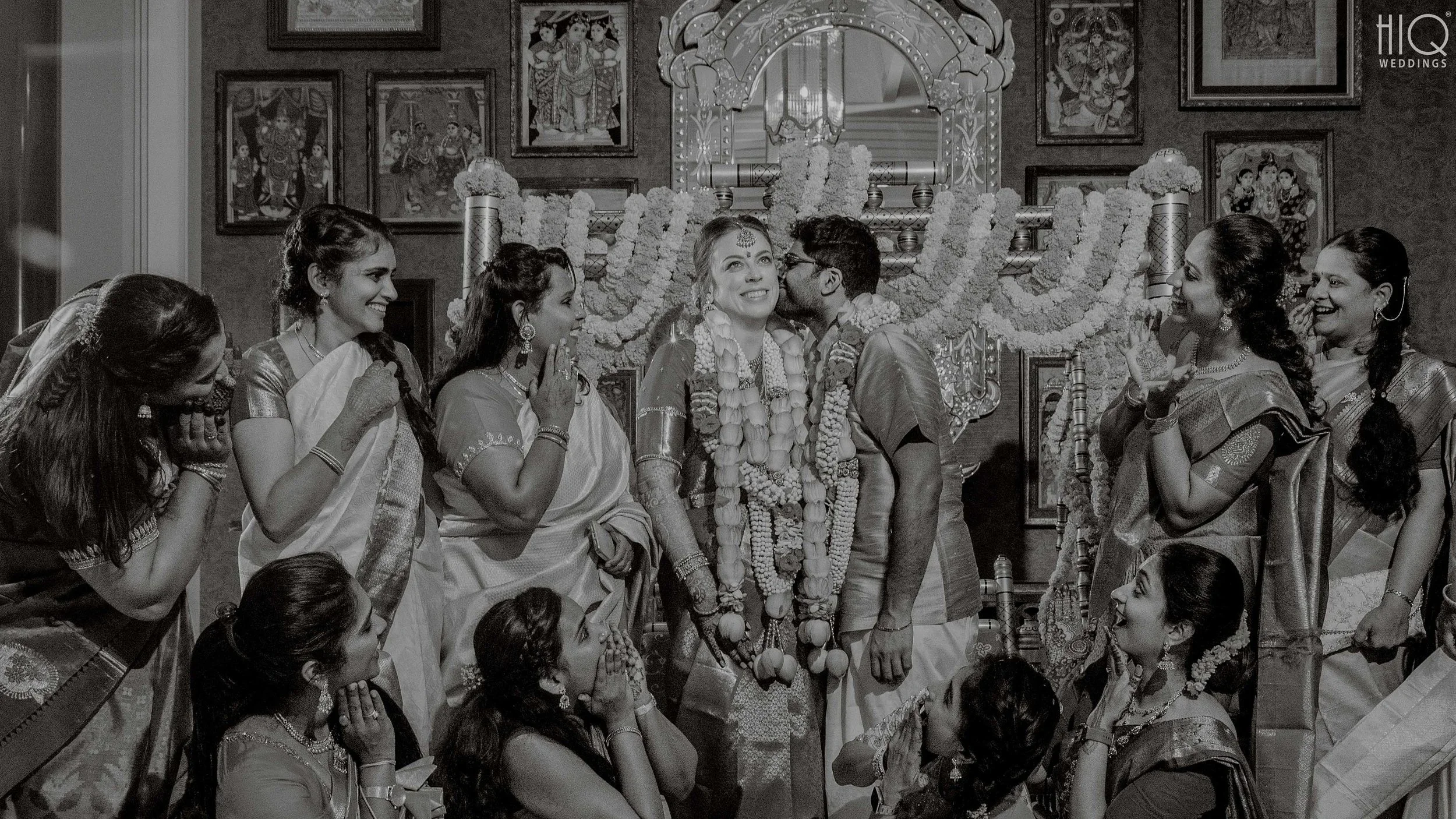
Best Destinations in India for NRI Weddings
Chennai and South India: Traditional Cultural Weddings
Chennai, Bengaluru, and Hyderabad suit a Tamil, Telugu, or Kannada wedding with five-star execution. The Leela Palace Chennai offers a 12,300 sq ft pillarless Grand Ballroom for 1,000–1,500 guests, overlooking the Bay of Bengal. ITC Grand Chola's Grand Hall, at over 12,000 sq ft, is the largest hotel ballroom in South India. Multi-day budgets at either typically run ₹1 to ₹3 crore
Goa: Beach and Resort Weddings
Goa suits couples who want a relaxed, sunset-ceremony feel over palace formality. Resorts like Taj Exotica and W Goa offer outdoor lawns from roughly ₹40 lakh to ₹1.2 crore. Book November to February, before the monsoon closes outdoor setups.
Kerala: Backwater and Traditional Weddings
Kerala's backwater resorts, such as Grand Hyatt Kochi Bolgatty, pair coconut-grove scenery with South India's largest convention center on-site. Per-plate rates run roughly ₹2,500 to ₹3,600. It's a natural fit for Malayali Kalyanam rites and a traditional Sadya feast.
Jaipur and Jodhpur: Royal Heritage Weddings
Jodhpur's Umaid Bhawan Palace is the best-documented example. A two-day, 200-guest buyout runs roughly ₹1.5 to ₹3.5 crore, with per-plate catering around ₹12,000–₹25,000. Jaipur's Rambagh Palace and Fairmont offer similar grandeur and often easier availability.
Udaipur, Rajasthan: Luxury Palace Weddings
Udaipur's lakefront palaces, including Taj Lake Palace and The Leela Palace Udaipur, suit grand multi-day celebrations. October through March brings the best weather. Budgets run from roughly ₹50 lakh for a mid-scale wedding to ₹2–4 crore for a full palace buyout.
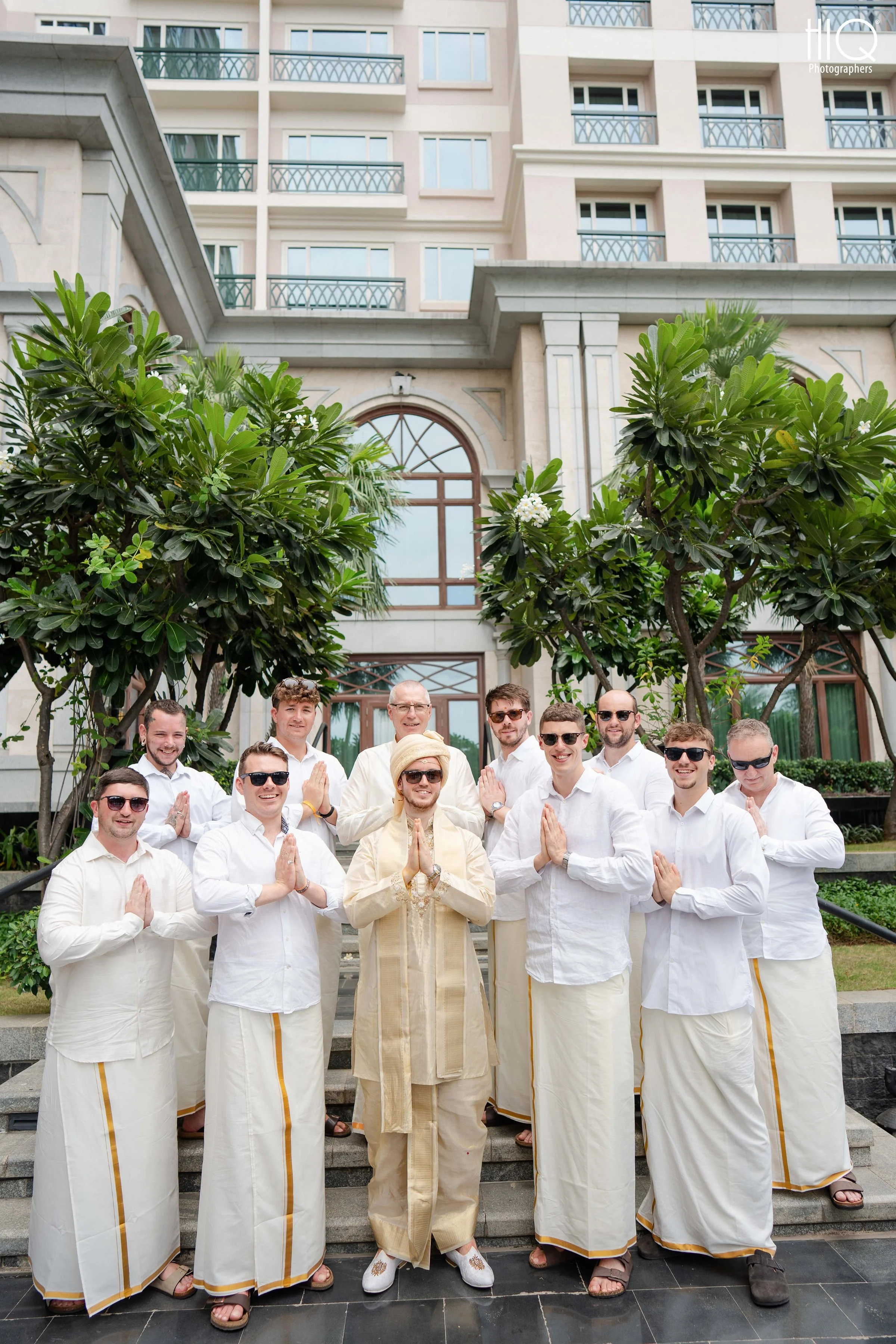
Understanding the Cost of an NRI Wedding in India
Costs vary by guest count and city, but the trend is up. The average Indian destination wedding now costs about ₹58 lakh, according to WedMeGood's 2026 Destination Wedding Report. That's up from roughly ₹51 lakh in 2024's WedMeGood survey. An overseas destination wedding averages more than ₹1.5 crore.
Venue rental and accommodation usually eat up 40–50% of the budget, with catering next. Watch for the Minimum Plate Guarantee hotels enforce: you're billed for the plate count you contract, even if fewer guests show up. Negotiate that number down from your invite count.
Paying vendors from abroad means navigating currency rules too. Funds sent through a repatriable NRE account move freely. NRO accounts, which hold India-based earnings, are capped at USD 1 million in outward remittances per financial year under RBI's FEMA rules. Build in a 5–10% buffer for exchange-rate swings.
Legal Requirements and Documentation for NRI Weddings in India
Special Marriage Act vs. Hindu Marriage Act
NRIs, OCI cardholders, and foreign nationals can all legally marry in India, but the route matters. The Special Marriage Act, 1954 covers civil, interfaith, or foreign-national marriages. It requires filing a Notice of Intended Marriage where one partner has lived for 30 days. A mandatory 30-day public notice period follows, then three witnesses finalize the marriage.
That wait is not a formality a court can waive for convenience. In June 2026, the Delhi High Court refused to shorten it, even for a couple with an urgent overseas job deadline, ruling the timeline is set by statute
If both partners are Hindu, Sikh, Jain, or Buddhist, the Hindu Marriage Act, 1955 is usually simpler. The ceremony happens first under religious rites. Registration with the local Sub-Registrar typically follows within one to two weeks.
Documents and Registration
Either way, expect to need both partners' passports and visas or OCI cards, proof of age, a sworn single-status affidavit, and recent photographs. Foreign nationals also need a no-objection certificate from their embassy. Once registered, get the certificate apostilled by the Ministry of External Affairs if you'll need it recognized abroad. Requirements shift by state, so confirm the current list with your Marriage Officer before you fly in.

Choosing the Right Wedding Vendors in India
Booking vendors you can't visit in person means verifying harder than usual. Ask for complete, unedited galleries from single real weddings, not curated highlight reels.
Speak directly to past NRI clients about communication and reliability. Confirm any company's GST registration before wiring a deposit. Get everything in writing: a fixed fee, milestone payments, and clear cancellation terms.
Managing International Guests and Wedding Travel
Visa Requirements for Your Guests
Foreign-national guests need a valid passport and an e-Tourist visa, applied for only through India's official government portal. Options include a 30-day visa, a 1-year multiple-entry visa, and a 5-year multiple-entry visa. Under the 1-year and 5-year tiers, total time in India still can't exceed 180 days per calendar year. Apply well before travel, since processing can take several days.
Book hotel room blocks 4–6 months out to lock in group rates, arrange an airport pickup desk, and send guests a short welcome kit with the event schedule and dress-code notes.
Planning Traditional and Modern Indian Weddings for NRI Couples
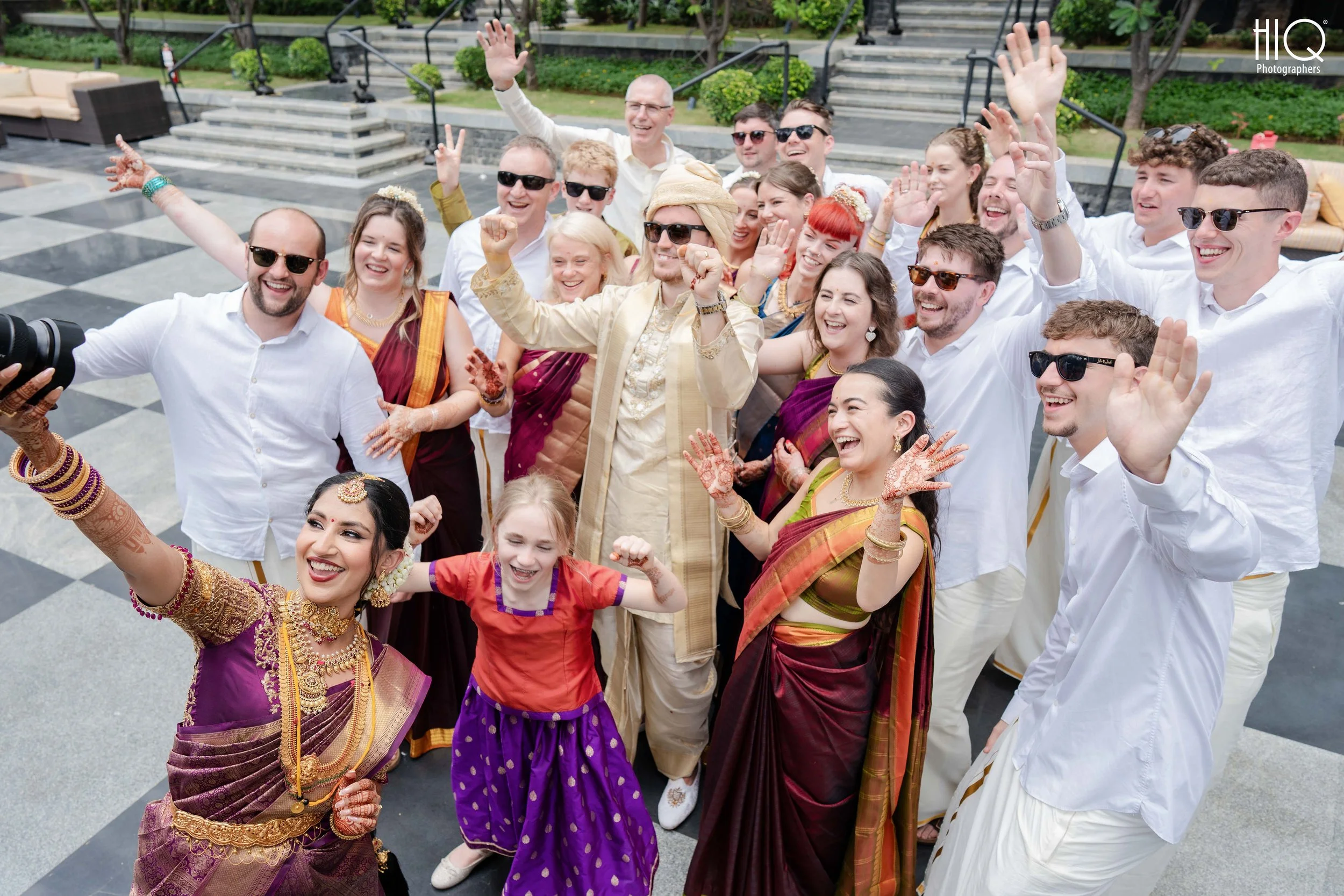
Regional ritual is usually the whole point of coming home to marry.
Tamil weddings include the Kashi Yatra, where the groom play-acts leaving for a monastic life before the bride's father persuades him to stay, and Mangalya Dharanam, the tying of the sacred thread.
Telugu weddings center on Jeelakarra Bellam, a cumin-jaggery paste placed on the couple at the exact auspicious moment, and the playful rice-shower of Talambralu.
North Indian Hindu weddings build toward the Baraat procession, the Pheras around a sacred fire, and the emotional Vidaai farewell.
Malayali weddings stay concise, centered on the lit Nilavilakku lamp and a vegetarian Sadya feast.
Christian and Muslim weddings follow their own church or Nikah ceremonies, often with a separate reception.
Choosing the Right Wedding Photographer in India for Your NRI Wedding
Good photographers get booked up months ahead, especially in the October-to-March wedding season. Lock in your team as early as your venue. Since you likely can't meet in person first, ask to see two or three complete wedding galleries from start to finish, not just a highlight reel. Get on a video call to confirm who actually leads the shoot.
Candid coverage, traditional portraits, and a cinematic film are three different skills, and not every studio is equally strong at all three. Ask how they handle fast-moving rituals, like the exact instant the Thali is tied. Those moments don't repeat for a retake.
Making Your Indian Wedding Unforgettable with HiQ Weddings
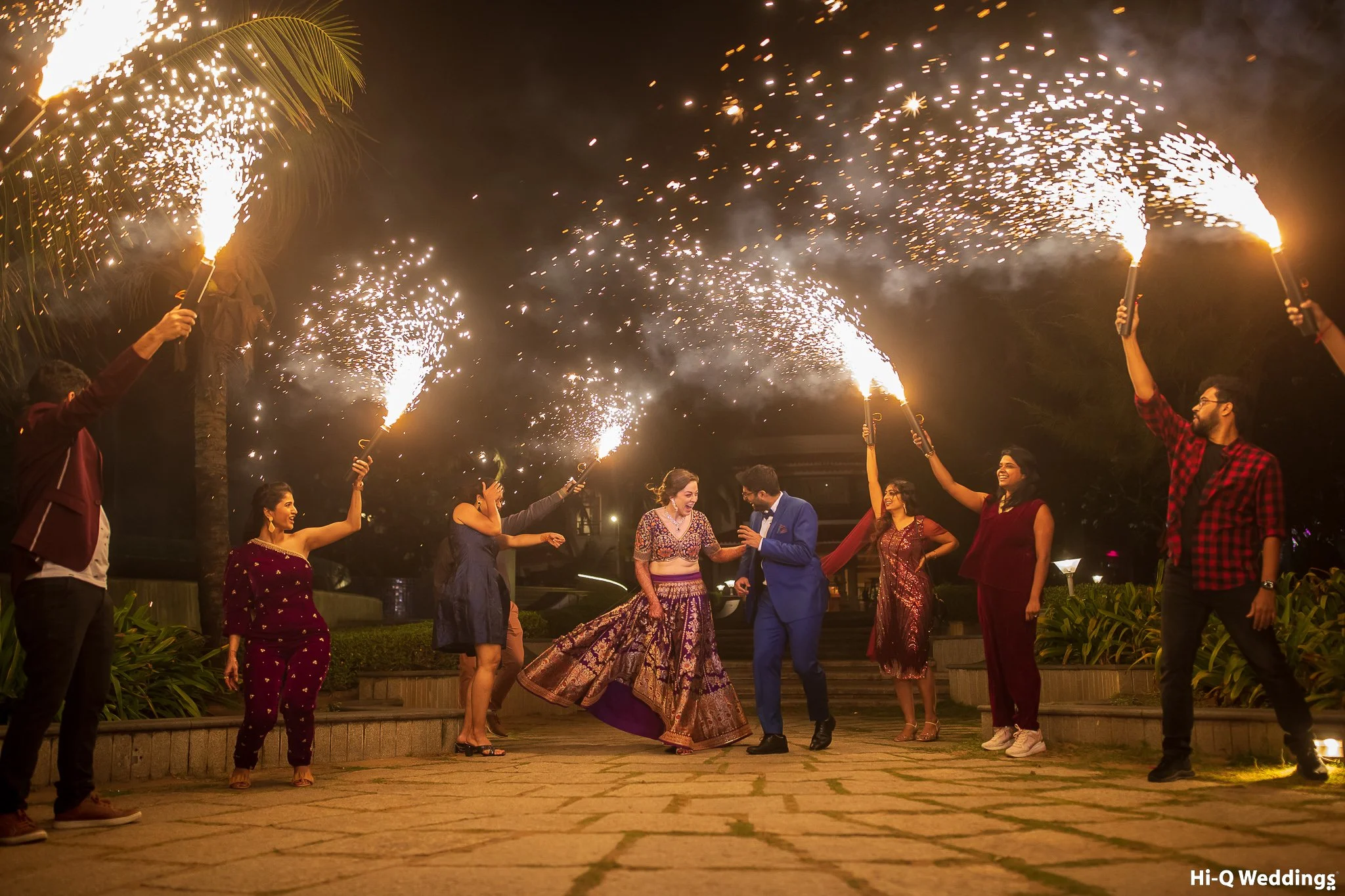
HiQ Weddings has spent over 20 years and more than 1,000 weddings documenting South Indian celebrations: Tamil, Telugu, Brahmin, Christian, and more. We work from a Chennai studio that knows exactly when the Mangalya Dharanam or Talambralu happens, down to the second. For couples planning from abroad, that matters. Your shot list gets built by a team who has stood inside hundreds of these ceremonies before.
We run video consultations scheduled around your time zone, and share a clear proposal with fixed pricing upfront. We plan every ritual moment with you before we ever meet in person.
If you're planning a wedding in Chennai or anywhere in South India, get in touch with HiQ Weddings,!
Frequently Asked Questions About NRI Weddings in India
Can NRIs get married in India?
Yes. NRIs, OCI cardholders, and foreign nationals can all legally marry in India, under either the Special Marriage Act or the Hindu Marriage Act.
How much does an NRI wedding in India cost?
Domestic destination weddings average around ₹58 lakh. Couples hosting the celebration overseas average more than ₹1.5 crore instead.
Can I plan an Indian wedding from the USA without visiting India?
Mostly, yes. A local planner, video calls, and digital contracts handle most of it. You'll still need to fly in for final fittings and any required registrar appearance.
Which are the best destinations in India for NRI weddings?
Udaipur and Jodhpur for palace grandeur, Goa for a beach wedding, Kerala for backwater scenery, and Chennai or Bengaluru for a traditional South Indian celebration.
How early should NRI couples book wedding vendors in India?
Start around 12 months out for your venue and date. Book your lead photographer by the 9–10 month mark, since both fill up fast in peak season.
What documents are required for an NRI marriage in India?
Generally, both partners' passports and visas or OCI cards, proof of age, a single-status affidavit, and recent photographs. Requirements vary by state.
Can foreign nationals marry Indian citizens in India?
Yes, typically under the Special Marriage Act, which also requires an embassy no-objection certificate for the foreign-national partner.
How do I find reliable wedding photographers in India while living abroad?
Ask for complete, unedited wedding galleries rather than highlight reels. Speak to past NRI clients directly, and confirm pricing in a written contract before paying any deposit.
Can I pay Indian wedding vendors from overseas?
Yes. Payments through a repatriable NRE account move freely. NRO accounts face a USD 1 million annual outward remittance cap under RBI's FEMA rules.
What is the best time of year to host an Indian wedding?
October through March is the comfortable-weather window across most of India. Your family priest or astrologer will likely pick the exact date based on an auspicious Muhurtham..

Leeza Harris – CEO, HiQ Weddings
Leeza Harris is the CEO of HiQ Weddings, bringing more than 20 years of experience across Indian weddings, wedding photography, live events and brand strategy. Having been involved in more than 1,000 weddings and events, she brings firsthand knowledge of the traditions, rituals, ceremonies and cultural details that shape South Indian weddings. Based in Chennai, Leeza works closely with couples and photography teams to document weddings through a blend of candid storytelling, traditional imagery and contemporary visual direction. Her experience spans events across India and Southeast Asia, and her work has been featured in The Hindu and Femina.